This question comes up constantly from landlords managing a rental turnover, adult children coordinating a parent's cleanout from out of state, and homeowners who simply cannot take time off work for a pickup window. The short answer is that being home is convenient but rarely necessary.
How a no-contact pickup works
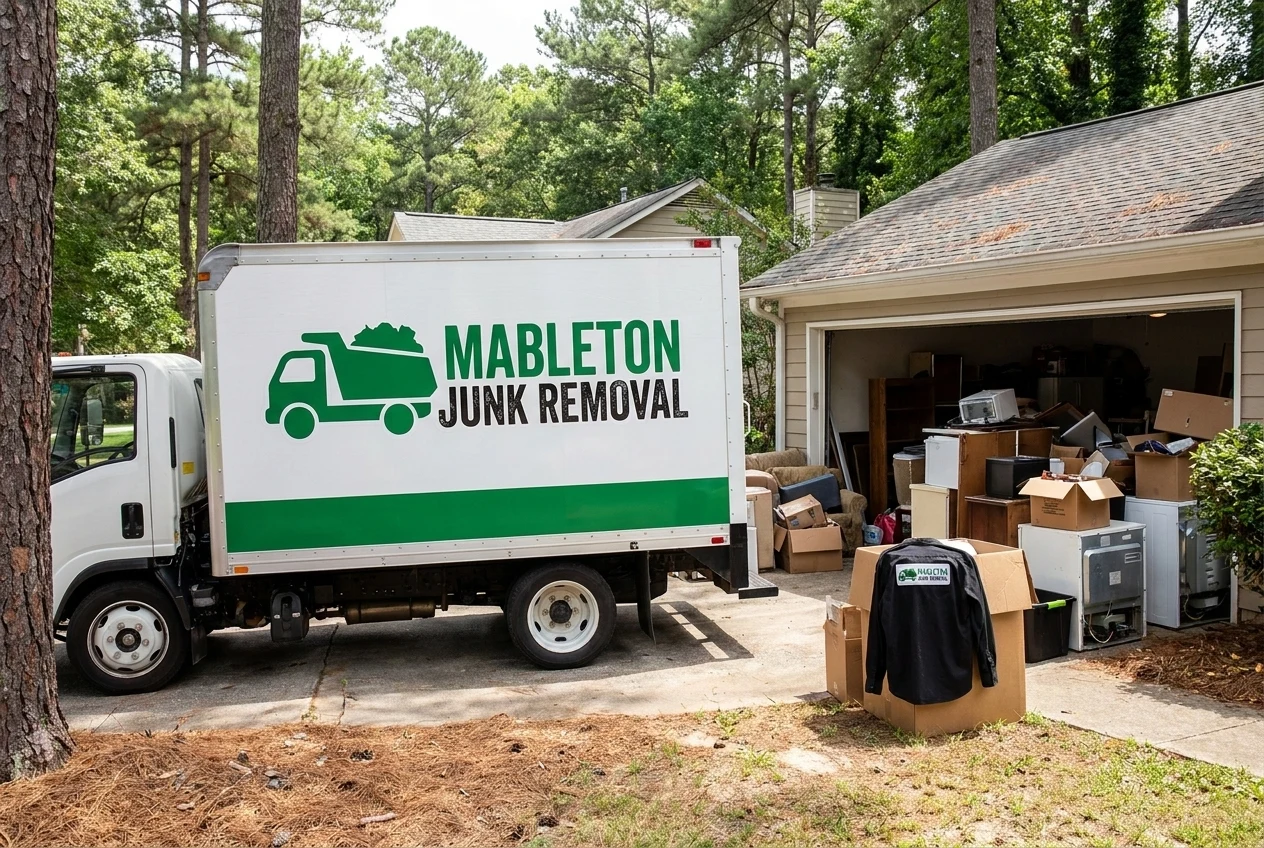
You describe or photograph what needs to go, agree on a price by phone or text, and tell us where to find it — curb, garage, backyard, a specific unit in a multi-family property. We handle access according to instructions: a garage code, a lockbox, a key with a neighbor, or simply items already staged outside. The crew loads what was agreed on, and you get a text or call when the job is done.
Payment happens the same way, over the phone or through a payment link, so there is no need to hand anything to the crew in person. For landlords managing multiple properties, this means a full unit turnover cleanout can happen without ever coordinating a specific arrival window around a tenant or manager's schedule.
What we need from you ahead of time
- Clear instructions on what goes. A photo with items circled, or a written list, avoids any ambiguity about what should and should not be loaded.
- Access details. A gate code, garage code, lockbox combination, or confirmation that items are already outside and accessible.
- A number to reach you at. Not to interrupt your day, but in case something on-site does not match what was described — more items than expected, or something that needs a quick question answered.
- Confirmation on payment method. Settled ahead of time so there is nothing to sign or hand over in person.
Why this works well for certain situations
Rental property turnovers
Property managers in Austell and across our service area frequently schedule commercial and rental cleanouts around a tenant move-out date without ever being on-site themselves, coordinating entirely by phone with the leasing office holding access.
Out-of-state family handling a cleanout
When a family member is coordinating a parent's home from another state, we can walk through the property by video call, agree on scope, and complete the job with a local contact holding keys or a lockbox code — no flight required just to be present for the pickup.
Simple pickup, busy schedule
For something as simple as a single couch or mattress, most people would rather leave it at the curb with instructions than take time off work to supervise a twenty-minute pickup.
What happens if something is not clear
If the crew arrives and something looks ambiguous — an item that was not mentioned, or a load that looks larger than described — we call before loading anything questionable rather than guessing. That is the main reason we ask for a reachable number even on jobs where nobody plans to be physically present.
Trust and accountability without a supervisor present
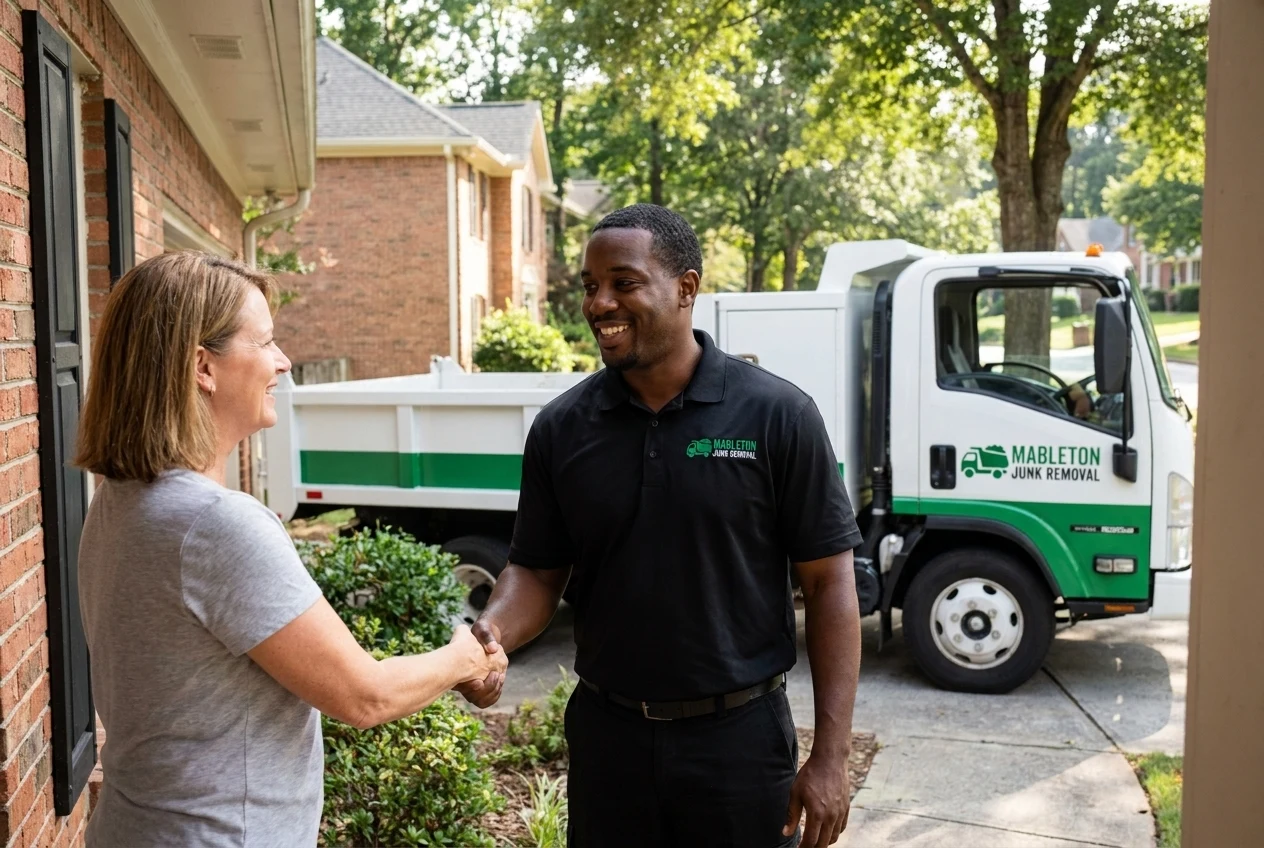
Being comfortable with a crew working on your property while you are not there comes down to a few concrete things rather than a leap of faith. We show up in a branded, marked truck, the crew wears identifiable uniforms, and you get a confirmation call or text the moment the job is finished, including a quick note on anything unusual we found. If a gate or door was unlocked for access, we make sure it is secured again before leaving, and we treat an empty property with the same care as one where the homeowner is standing in the driveway.
If you would rather be there anyway
No-contact is an option, not a requirement. Plenty of customers prefer to be present for a simple pickup just to point at what goes, or because they are already home and it is not an inconvenience. There is no discount or penalty either way — the price and process are the same whether you meet the crew at the door or leave instructions and a lockbox code. Tell us your preference when you book and we will plan around it.
How arrival time gets communicated
Whether you are home or not, we give a window rather than an exact minute, since traffic and the length of the prior job on the schedule make a precise time unrealistic to promise. Most customers get a call or text roughly thirty minutes out, which is enough notice to meet the crew if you want to, or simply confirm remotely that the truck has arrived and the job can proceed on schedule.